


What Is a Retrospective Appraisal and When Do You Need One?
Real Estate Appraiser Dallas/Fort Worth Metroplex
Over 20 years in Business!
Why Would You Need A Restrospective Appraisal?
Most people think of a home appraisal as answering a straightforward question: “What is this property worth today?” But there are many situations where today’s value isn’t actually the number you need.
What if you inherited a home and need to determine what it was worth when a family member passed away several years ago? What if a property is involved in a divorce or lawsuit and its value on an earlier date is important? Or perhaps you need documentation of a property’s historical value for tax purposes.
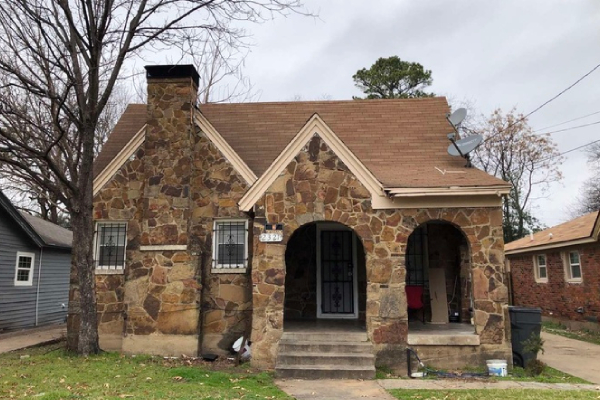
These situations may call for a retrospective appraisal.
A retrospective appraisal determines a property’s value as of a specified date in the past. Rather than simply examining today’s Dallas-Fort Worth real estate market, the appraiser researches the property and market conditions that existed as of the relevant historical date.
Here’s how retrospective property appraisals work, why they are needed, and some of the situations where obtaining one may be important.
What Is a Retrospective Appraisal?
A retrospective appraisal is a professional appraisal with an effective date of value that occurred in the past.
The effective date is an important concept in real estate appraisal because property values change over time. A house that is worth $500,000 today, for example, wasn’t necessarily worth $500,000 three years ago.
Market conditions may have been considerably different.
Home prices could have risen or fallen. Interest rates may have changed. The supply of available homes could have been different. The neighborhood itself may have developed considerably since the date in question.
A retrospective appraisal essentially asks:
What was this property worth on that particular date, based on the information and market conditions that existed at the time?
Assured Appraisals provides retrospective property valuation services for clients who need a professionally supported opinion of a property’s historical value.
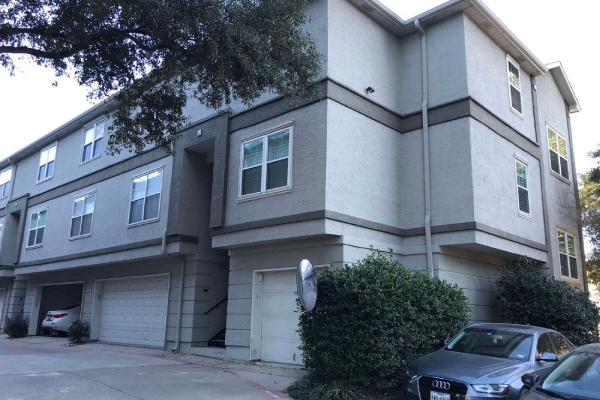
How Does an Appraiser Determine a Property's Past Value?
A retrospective appraisal isn’t simply today’s value adjusted backward by a percentage.
The appraiser must reconstruct the relevant market as it existed around the historical effective date.
That typically involves researching sales and other market information relevant to that period. Comparable properties are analyzed based on the market conditions associated with the retrospective valuation date rather than simply relying on today’s sales.
The appraiser must also consider the subject property’s characteristics as they existed at that time.
This distinction can become particularly important if the property has changed substantially since the effective date. Perhaps a kitchen was remodeled later, an addition was constructed, the property was damaged, or other improvements were completed.
The purpose isn’t to determine what the improved property is worth now. The assignment is focused on developing a credible opinion of value for the property as of the specified historical date.
Date-of-Death Appraisals for Inherited Property
One of the most common reasons someone may need a retrospective appraisal involves inherited real estate.
When a property owner passes away, the value of their real estate may need to be established as of the date of death. This is commonly called a date-of-death appraisal.
For federal tax purposes, the basis of inherited property is generally tied to its fair market value on the date of the decedent’s death, although certain estates may use an alternate valuation date.
This becomes particularly important when inherited real estate is eventually sold because establishing the appropriate basis can affect the calculation of gain or loss.
For families administering an estate, probate appraisal services for inherited real estate can help establish and document the property’s value for the appropriate date.
Because estate and tax circumstances differ, homeowners and beneficiaries should work with their attorney or tax professional to determine which valuation date and documentation their particular situation requires.

Retrospective Appraisals During Divorce
Real estate can also become an important issue during divorce proceedings.
Sometimes the question isn’t simply what a home is worth today. Attorneys or the parties involved may need to establish what a property was worth at an earlier point in the marriage or on another legally relevant date.
For example, there may be questions involving the value of a home before certain improvements were made or how the property’s value changed during a particular period.
A retrospective appraisal can provide an independent opinion of value tied to the requested historical date rather than relying on online estimates or assumptions about past market appreciation.
Our residential appraisal services for divorce settlements can assist attorneys and property owners when credible real estate valuation is required during the division of marital assets.
The appropriate valuation date can depend on the circumstances of the case, so the appraiser should be informed of the date requested by the client or legal counsel.
Historical Property Values for Litigation
Real estate disputes can continue for months or even years.
By the time a case reaches mediation, arbitration, or trial, the property’s current value may no longer answer the question at issue.
A dispute might involve the property’s value when a transaction occurred, when damages allegedly took place, or on another date relevant to the case.
That creates another situation where retrospective valuation may be necessary.
Through litigation appraisal services for real estate disputes, an appraiser can develop a well-supported opinion of value based on the appropriate effective date and intended use of the assignment.
For particularly complex cases, an attorney may also require real estate expert witness appraisal services when professional valuation analysis must be explained or supported during legal proceedings.
Retrospective Appraisals for Tax and IRS Matters
Historical property values can also become relevant when dealing with certain tax matters.
An accountant, attorney, executor, or taxpayer may need to establish a property’s fair market value as of a particular date for documentation or reporting purposes.
Inherited property is a common example, but it isn’t the only circumstance in which historical valuation may become important.
Assured Appraisals provides IRS real estate appraisal services for situations requiring professionally prepared property valuations for tax-related purposes.
Because tax requirements can vary considerably depending on the transaction and circumstances, an appraisal should complement—not replace—guidance from a qualified tax professional or attorney.

What Information Is Needed for a Retrospective Appraisal?
One challenge with historical valuations is determining what the property was actually like on the effective date.
The farther back the valuation date goes, the more important historical documentation may become.
Useful information can include previous MLS listings, photographs, renovation records, permits, surveys, floor plans, prior appraisal reports, property records, and documentation showing when significant improvements were completed.
For example, imagine a homeowner remodeled a kitchen in 2024 but needs a retrospective appraisal with an effective date in 2021.
The appraiser shouldn’t simply treat the remodeled kitchen as though it existed in 2021. The assignment needs to consider the property’s relevant characteristics as of the historical valuation date.
Providing accurate information about changes to the property can therefore be extremely helpful.
Can You Get a Retrospective Appraisal Years Later?
Yes. A retrospective appraisal does not necessarily need to be performed immediately after the effective date.
In fact, the reason someone needs one may not become apparent until years later.
An inherited property might not be sold for several years. A legal dispute might arise long after an event occurred. Tax documentation may be needed after the original transaction.
However, historical assignments can become more challenging when reliable information is limited.
The appraiser must research appropriate historical market data and develop an opinion based on information relevant to the effective date. Having documentation showing the property’s condition and characteristics during that period can be particularly useful.
This is another reason it is important to work with an experienced real estate appraiser rather than trying to recreate a historical value using a current online home-value estimate.

Do You Need a Retrospective Property Appraisal?
If someone has asked you to document what a property was worth on a previous date, there’s a good chance a retrospective appraisal may be appropriate.
These assignments commonly arise during estate administration, probate, inheritance, divorce, litigation, tax matters, and other situations where historical real estate value becomes important.
Before ordering the appraisal, make sure you understand which effective date is required and why the valuation is needed. If an attorney, accountant, executor, lender, or other professional requested the appraisal, they may be able to identify the appropriate valuation date and intended use.
Assured Appraisals provides professional retrospective appraisal services throughout the Dallas-Fort Worth Metroplex. Our team can research historical market conditions and property information to develop an independent, well-supported opinion of value for the required date.
If you need to determine what a residential property was worth at an earlier point in time, contact Assured Appraisals to discuss your situation and determine whether a retrospective appraisal is the appropriate valuation service.
Transparent Pricing & No Surprises
Ongoing Support, Even After Delivery
Ongoing Support, Even After Delivery
Transparent Pricing
Ongoing Support
Local Knowledge

Areas Serviced
- Dallas County, TX
- Collin County, TX
- Denton County, TX
- Tarrant County, TX
- Wise County, TX